What 'Furnished' Really Buys You: Reading Housing Fine Print in Overseas ESL Offers
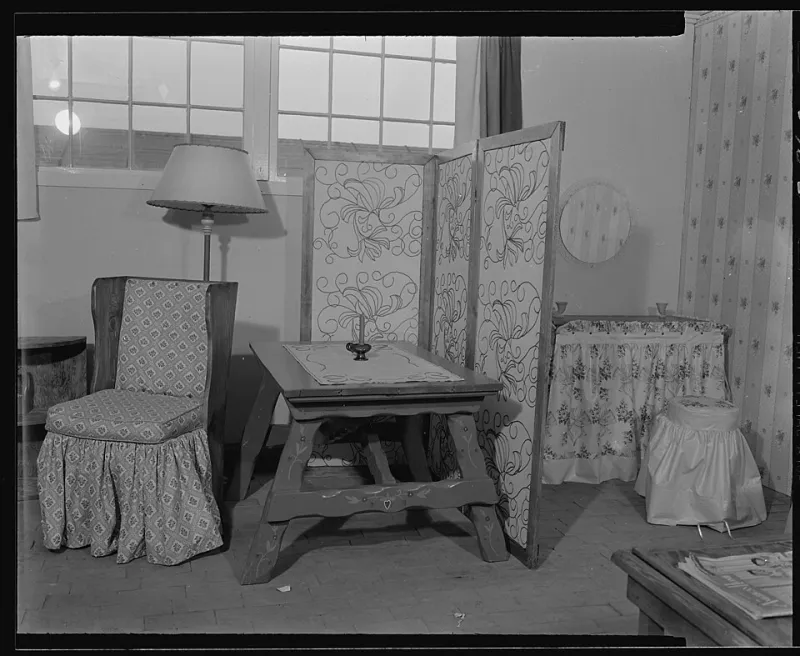
Photo: Unknown authorUnknown author or not provided, Public domain, via Wikimedia Commons
You spot the line in the offer: 'Furnished apartment provided.' After a stateside apartment hunt full of Craigslist photos and mystery roommates, that sounds like a gift. Then you land, unlock the door, and find a bed, a desk, one plastic chair, and no washing machine. Or the place is great, but the utility cap runs out in three weeks because the air conditioning never stops. Housing language is where a lot of overseas ESL offers get fuzzy, and fuzzy is expensive.
On ESL Jobs Online, housing clauses show up in nearly every international posting. They are also one of the easiest parts of a package to compare if you know what to ask. Treat housing as compensation, not scenery. Two jobs with the same salary can leave you several hundred dollars apart each month once rent, utilities, and move-in costs settle.
The four words that do the most damage
Furnished is not a standard. In one country it means bed, sofa, table, fridge, washing machine, and air conditioning. In another it means a mattress and a kettle. Ask for an inventory list and photos of the actual unit. Then ask who replaces a broken fridge and who pays for repairs.
Allowance sounds clean, but it can be paid monthly, reimbursed after receipts, folded into salary, or delayed until probation ends. Ask whether it is cash, whether it is taxed, and whether it is paid in local currency or USD.
Shared accommodation can mean a private room in a two-bedroom flat with another teacher, or a dorm-style setup with four people and one bathroom. Ask how many roommates, how they are chosen, whether the bathroom is private, and what happens if you do not get along.
Utility cap is the sneak attack. A cap of 100 USD per month sounds fine until you learn that summer air conditioning costs 250 USD. Ask what utilities are covered, what the cap is, and how overages are billed.
Six questions to ask before you sign
- Is housing provided by the school or paid as an allowance?
- What is the monthly cash value of the housing benefit?
- What is the utility cap, and who bills the overage?
- What exactly is furnished, and who handles repairs?
- Whose name is on the lease, and who pays the deposit?
- What happens to housing if you leave early or fail probation?
Those six answers will tell you more than a glossy brochure. Get them in writing, even if it is an email you forward to yourself.
How the language plays out in eight markets
South Korea. Many schools provide a small apartment or a housing allowance. 'Furnished' usually includes a bed, table, fridge, washing machine, and air conditioner, but not always a microwave or sofa. Ask about maintenance fees and whether utilities are separate. If you take the allowance instead, compare it with actual rent near the school, not the city average.
Japan. Housing support often comes as an allowance or a school-leased apartment. 'Furnished' is less common, and move-in costs can include key money, deposit, and guarantor fees. Ask who covers those upfront costs and whether the school lease ends when your contract does.
China. School-provided apartments are common, especially on or near campus. The gap between 'furnished' and 'bare' can be huge. Ask for a video walkthrough, confirm whether the apartment is shared, and find out whether internet and utilities are capped. Also ask how far the apartment is from campus and whether transport is provided.
Vietnam. Housing allowances are common in Ho Chi Minh City and Hanoi, and furnished rentals are easy to find, but electricity bills can jump when AC runs all day. Ask whether the allowance is paid in VND, whether it is gross or net, and who pays the deposit. A school might help you find a place without actually covering the rent.
United Arab Emirates. Packages often include a housing allowance or a school-provided apartment. Ask whether utilities, chiller fees, and internet are included. If you get an allowance, find out whether it is paid monthly or annually and whether you are expected to pay a full year of rent upfront. In some buildings, the annual rent is paid in several checks, which changes your cash-flow math.
Saudi Arabia. Housing may be provided in a compound or paid as an allowance. Compound housing often includes utilities, which can make it more valuable than the raw allowance number suggests. Ask about guest rules, family status, and whether singles and families get different housing. If you take the allowance, ask how much a comparable apartment actually costs near campus.
Spain. Schools rarely provide apartments. They may help with leads, but you usually rent on the open market. 'Furnished' is common in shared flats, and utility costs vary by season. Ask about deposit, agency fees, and whether the landlord requires a Spanish bank account or guarantor. A housing allowance is uncommon, so budget carefully.
Mexico. Some schools offer temporary housing, a stipend, or help finding a place. Furnished units exist, but quality varies. Ask whether water, electricity, and internet are included, and whether the neighborhood is safe for walking at night. A low rent can disappear fast if you need taxis everywhere.
The allowance-versus-apartment math
Say Offer A provides an apartment and caps utilities at 100 USD per month. Offer B pays a 500 USD housing allowance but leaves you to find a place. On paper, B looks better. Then you learn that a comparable furnished apartment costs 650 USD, utilities run 120 USD, and you need a 650 USD deposit. Offer A is now ahead by hundreds per month, even before you count the hassle.
Run the math for one month and for the first three months. First-month costs are where deposits, agency fees, and temporary housing eat a paycheck. If the allowance is taxed, subtract that. If the school apartment is shared, decide what privacy is worth to you. Ask a current teacher what they actually pay, not what the HR packet says.
Red flags worth circling
- 'Furnished' with no inventory or photos.
- 'Shared accommodation' with no roommate details.
- 'Utility cap' with no dollar amount.
- Housing allowance paid after 90 days or only by reimbursement.
- A line saying the school can change your housing at any time.
- A clause making you responsible for all repairs.
- 'Temporary housing' with no end date or move-out plan.
Before you arrive
Get a video walkthrough of the exact unit, not a model apartment. Ask for the address and check the commute. Ask whether the school pays for a hotel during training. Keep every housing email in a folder, and put the numbers into a simple spreadsheet when you compare postings on ESL Jobs Online. Housing is not the glamorous part of an overseas ESL offer, but it is one of the few clauses that shows up in your bank account every single month. Read it like your rent depends on it, because it does.